
A self-aware lawyer is a higher performing lawyer.
I teach how to become one.
When attorneys concentrate on their work, they are in a meditative state.
So why not illuminate their working minds with meditation skills?
Anxiety, depression, stress, and burnout smolder throughout the legal profession. These cognitive miseries are not inevitabilities. Attorneys can practice law just like yogis practice meditation. We’re not talking about chanting OM or burning incense here, but about noticing and controlling the hot emotional impulses that clash with cold legal logic.
Law school teaches you how to navigate the external adversarial legal system, not how to regulate your internal adversarial mental system. My programs bridge that gap. I guide lawyers through journeys of self-discovery that reduce cognitive friction and increase professional performance. Book me to help your people satisfy their oaths and lives.
—John MarcouxAttorney, Professional Development Speaker

Cornell J.D. ‘95, William & Mary B.S. ‘92

Programs
-

Ever-Ready Adversary
Jolts of fear, half-heartedness, hopelessness, selfishness, and surrender can zap any attorney’s resolve. Here’s how poised lawyers notice and control these impulses to sustain their adversarial mettle.
-

Elite Contenders Contend Alike
A legendary judge, a samurai warrior, and a Hall of Fame baseball pitcher walk into a bar and . . . discover they all battle the same way! Observe and learn from these paragons of skilled competition.
-

Dodging Demoralizers
Persistent adversarial thinking tends to deplete the will to compete. Here’s how to identify, evade, and escape each principal trap known to sap a lawyer’s adversarial morale.
-

Go Large By Getting Small
Lawyers can succeed and profit without being defensive, self-centered, know-it-all braggarts. Achieve more by being less with career-elevating techniques that deploy strategic humility.

Sam Feder
Partner, Jenner & Block
“John’s talk at our retreat blew my mind. I had thought about quitting the law, but John made me aware of the knee-jerk reflexes that were slowly, insidiously draining my will to compete. The fix felt instantaneous.”
Adversarial thinking ignites impulses of an intuitive, emotional nature. These feelings get lost in the fog of work or dismissed as nuisances. Yet elite adversaries notice and control them to elevate performance.
This cannot be outsourced. This is self-regulation. I show lawyers how.

Sarah Spain
espnW • iHeart podcaster of "Good Game with Sarah Spain” • Author of Runs In The Family
“John was one of my all-time favorite podcast guests and I've frequently discussed his work with other guests, colleagues, family, and friends. It's so important for people to understand the tricks their minds play, especially folks in high-stress jobs, so they can be intentional about preventing an adversarial mindset from following them home from work. John’s episode drew a response so strong that I re-broadcast it at the end of the year.”

John striking a very adversarial pose
photo © AmarisGranado.com
For more than 25 years, I’ve been guiding meditation and yoga students through hell.
Don't be fooled by all those images of blissed-out practitioners. Yogis navigate internal landscapes every bit as hostile as the external landscapes encountered in the practice of law. Attorneys could learn a thing or two from seasoned meditators.
That’s what I do. My '“Mindfulness for the Adversarial Mind” programs enable lawyers to flourish amid harsh and unremitting competition. Start illuminating your own path toward undaunted advocacy by reading my recently published law review article, Supreme Court Samurai: A Profile of Justice Holmes As A Zen Warrior.

James Sammataro
Partner, Pryor Cashman
“When John spoke at our partner retreat about dodging demoralizers, no one was looking at their phones. He captivated the room. When he finished, my colleagues demanded more. John bantered for another forty minutes of Q&A. Like butter.”
Each adversarial mind has its golden mean.
No outsider can find yours for you. But I can help you find yours.
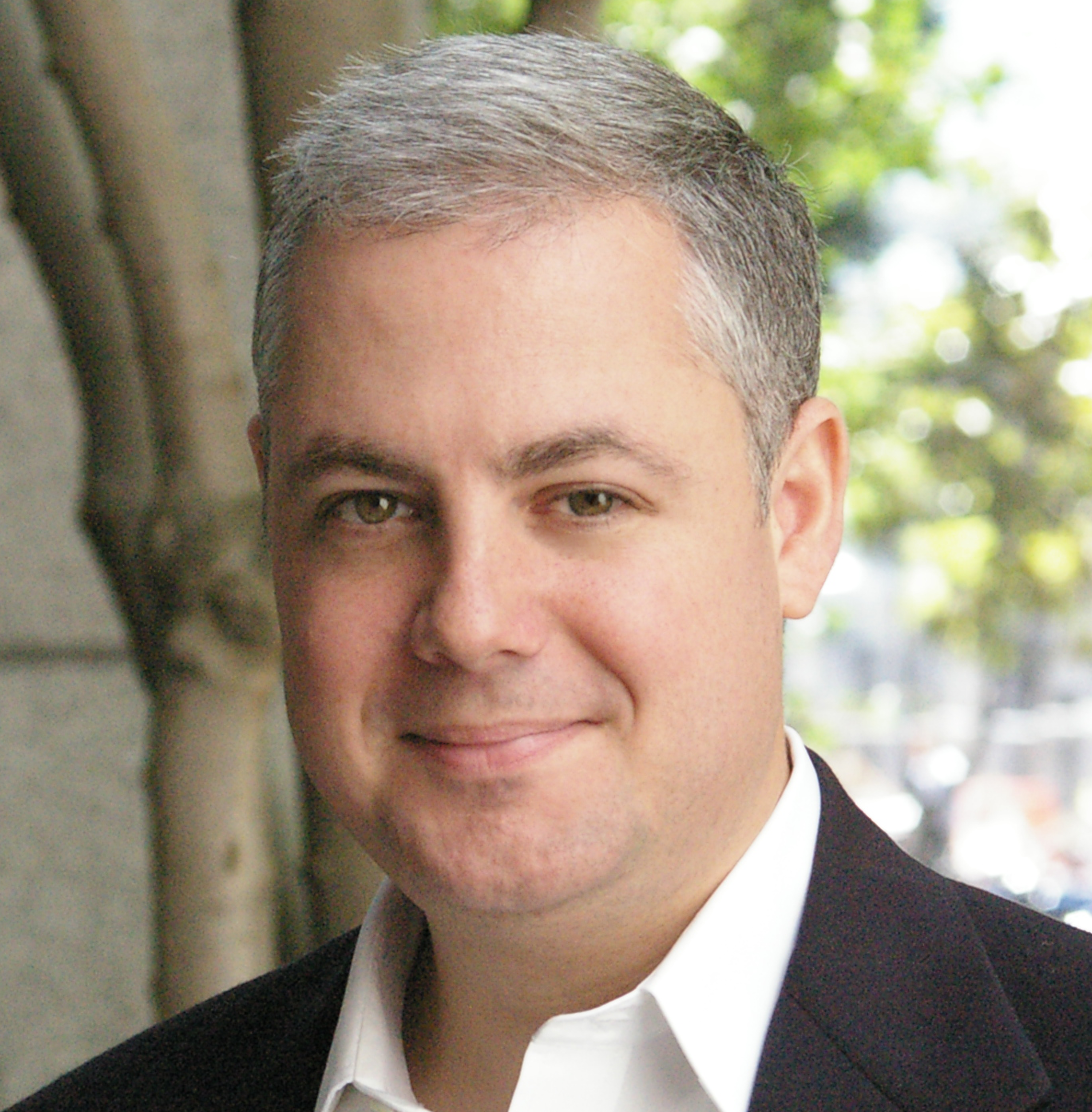
Seth Bromberger
Professor of Cybersecurity, Cal State-East Bay
“John’s lecture showed perfect empathy for the plight of cybersecurity pros who must stay ready to spring out of bed and fend off attacks at 3 am. He taught us how to protect the minds that protect the computer systems.”